Your phone number is not just a way for friends to reach you. It is a persistent identifier tied to your bank, your email recovery, your two-factor codes, and dozens of forgotten sign-ups. When people ask what can someone do with your phone number, the honest answer is: a lot more than most users realize, especially if that number has been circulating on data broker sites for years.
This guide is written for professionals whose exposure carries real consequences: executives traveling internationally, journalists protecting source confidentiality, healthcare workers handling patient data, attorneys concerned about privileged communications, and anyone whose phone leaking would cause tangible harm. We walk through the specific attacks that use a phone number as a starting point, the warning signs that you have been targeted, and the defenses that actually work.
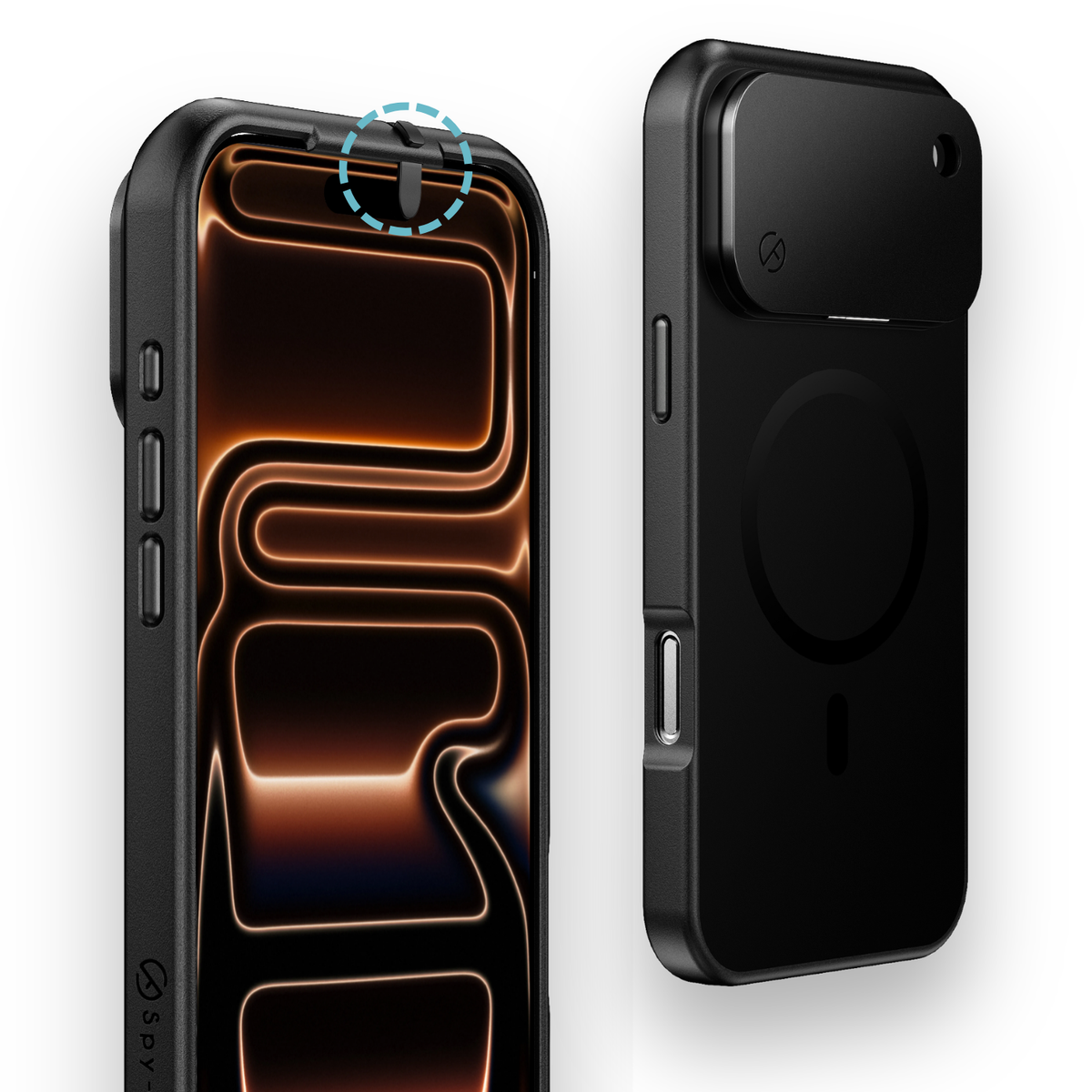
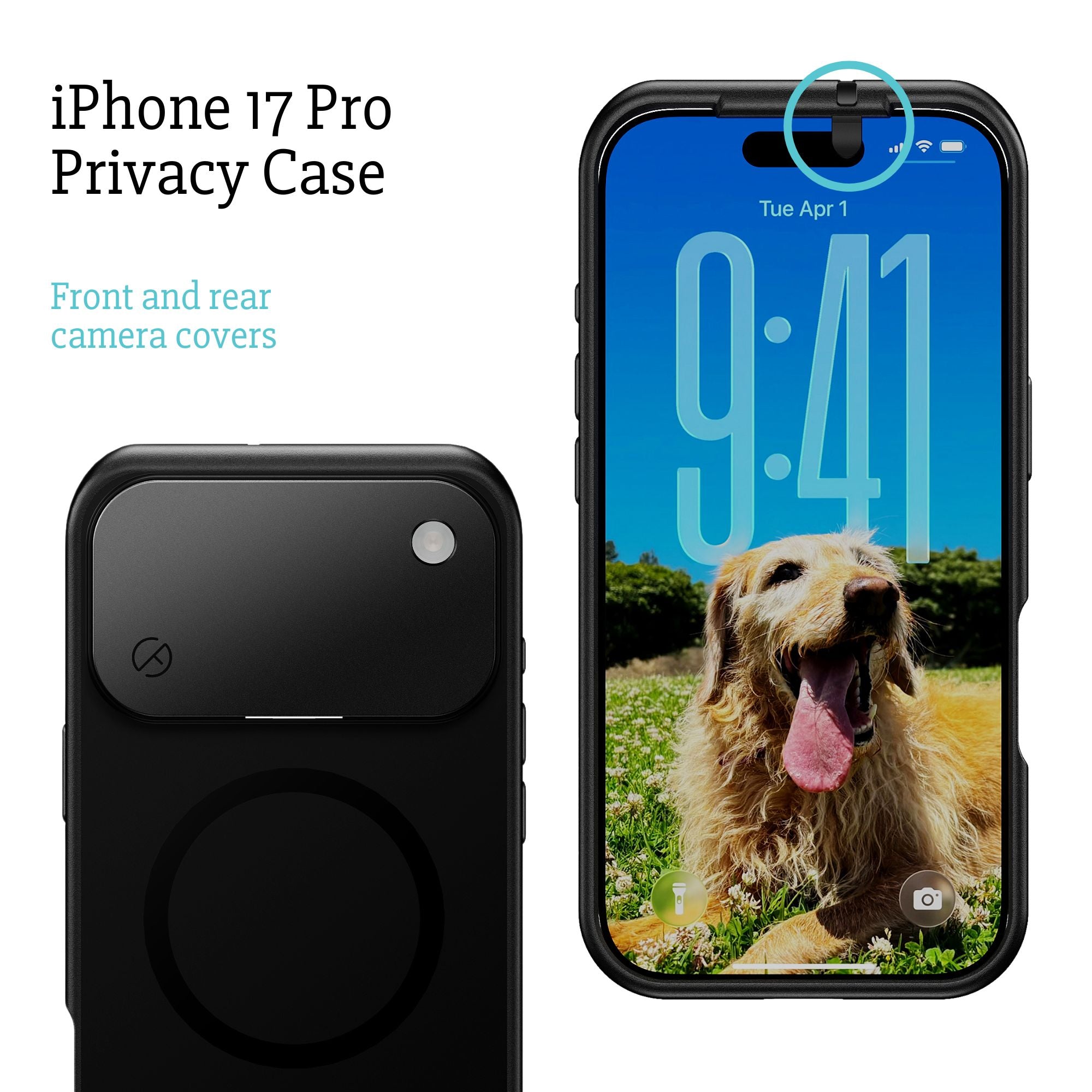
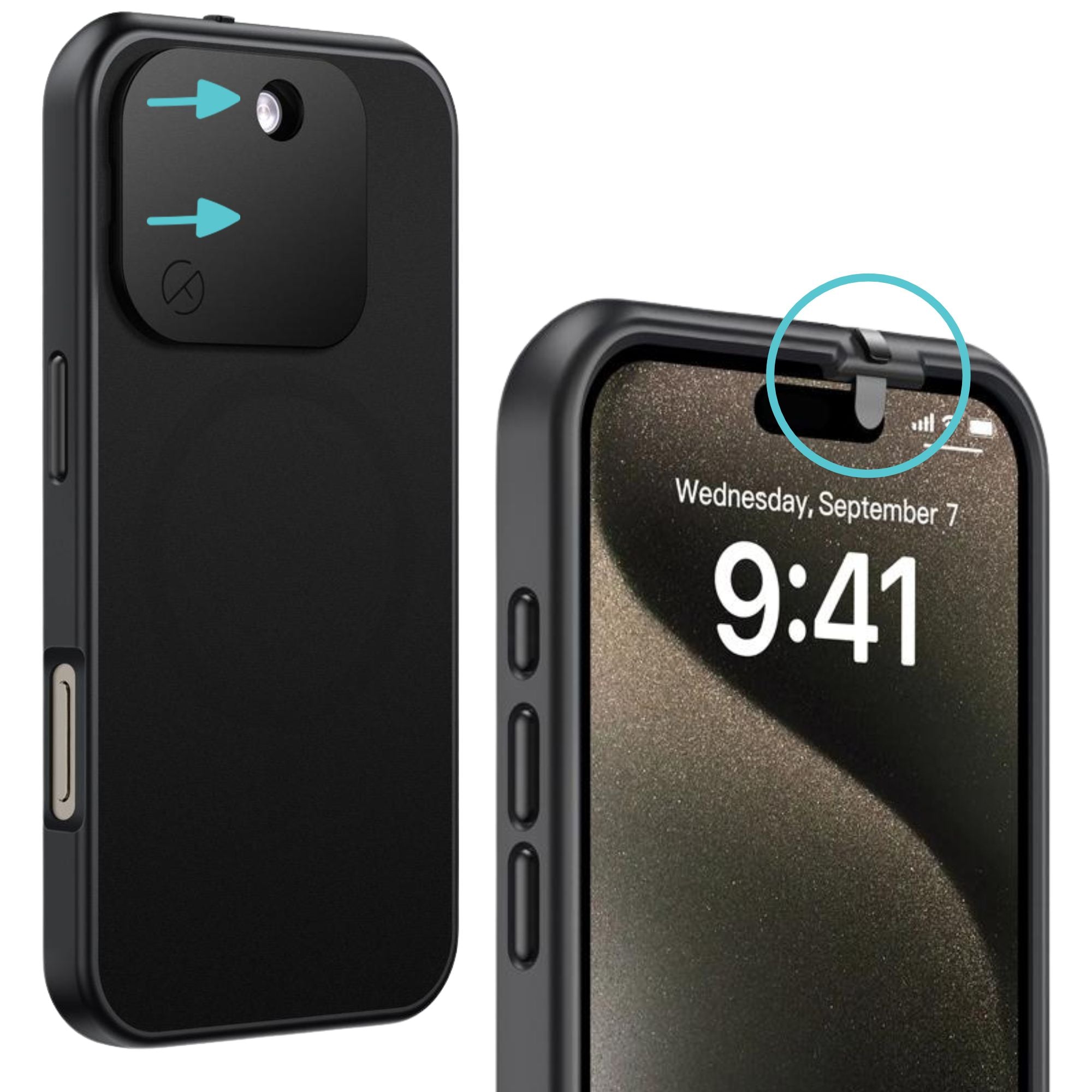
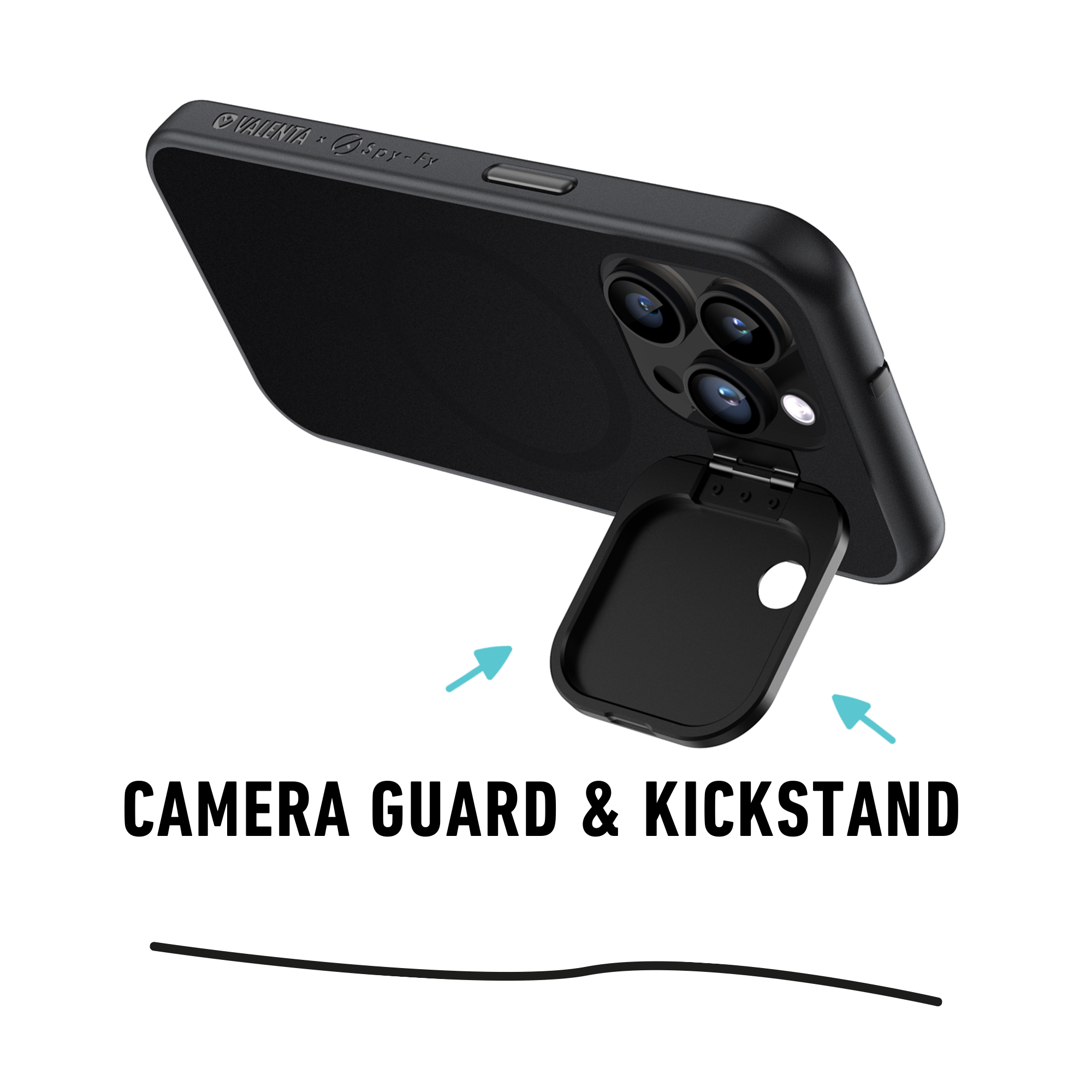
A direct answer first: with your phone number alone, an attacker can attempt SIM swapping to hijack your accounts, send targeted phishing texts (smishing), look you up in data broker databases to pull your address and relatives, spoof your caller ID to scam others, and enrich stolen credentials from past breaches. The number by itself is not a master key, but it is the seam attackers pry open first. If you want to lock down the physical side of your phone in parallel, Spy-Fy's privacy case collection covers camera and signal-level defenses used by security-aware professionals.
How your phone number ends up in the wrong hands
Before we talk about what people can do with your number, it helps to know how it leaked in the first place. Very few phone numbers are truly private anymore. Data breaches at telecoms, retailers, and social platforms routinely dump hundreds of millions of numbers onto criminal forums. The 2021 Facebook scrape alone exposed 533 million numbers, and telecom breaches since then have only added to the pile.
Beyond breaches, numbers leak through data brokers that aggregate public records, loyalty program sign-ups, and shipping databases. Sites like Whitepages, Spokeo, and BeenVerified sell reverse lookups for a few dollars. A determined attacker does not need to hack anything. They just need a credit card and your name.
SIM swapping: the top risk if someone has your number
SIM swapping is the single most damaging attack tied to your phone number. An attacker calls your carrier, impersonates you using data pulled from breaches and social media, and convinces the representative to port your number to a SIM card they control. The moment that happens, every SMS-based two-factor code goes to them, not you.
The FBI's Internet Crime Complaint Center reported over $48 million in confirmed SIM swap losses in a single recent year, and that figure reflects only the cases people bothered to report. Victims have lost cryptocurrency wallets, business email access, and control of their social accounts within an hour.
The defenses that work:
- Add a port-out PIN or account passcode with your carrier. Every major US carrier supports this, and most users never enable it.
- Move two-factor authentication off SMS and onto an authenticator app like Aegis or 1Password, or a hardware key such as YubiKey or Titan.
- Ask your carrier about a port freeze if you are a high-value target.
Smishing and voice phishing tailored to you
Once an attacker has your number plus a fragment of context (a bank name, an employer, a package you are expecting) they can craft a text or call that feels legitimate. Modern smishing campaigns pull first names, ZIP codes, and even your carrier from breach data to make messages convincing.
AI voice cloning has raised the stakes further. A 20-second sample from a podcast, a work presentation, or a social video can be turned into a synthetic voice that calls your assistant or your spouse asking for a wire transfer. If you work in a role where impersonation matters, assume this technique is standard among organized fraud groups.
Never authenticate a request based on caller ID alone. Caller ID is trivially spoofed, and the number you see may look identical to your bank's real customer service line. Call back on a number printed on a physical card.
Reverse lookups and OSINT: what a stranger can legally find
Here is what people underestimate. Someone with only your phone number, no hacking involved, can typically find:
- Your full legal name and any aliases
- Current and past home addresses
- Names of relatives and household members
- Your approximate age
- Links to social profiles that used the number for sign-up or recovery
- Dating app presence in some cases
- Business filings, property records, and court records tied to your name
This is the OSINT layer. It is not illegal, it is not glamorous, and it is what stalkers, harassers, and hostile parties in litigation actually use. For a journalist protecting sources or an executive worried about targeted harassment, this exposure is often more dangerous than the flashier SIM swap threat. For readers curious about signal-level defenses, Spy-Fy's breakdown of whether a Faraday phone case stops tracking explains where physical isolation fits into this picture.
Account takeover through password reset flows
Many services still allow password resets or account recovery via SMS. If an attacker controls your number, either through a SIM swap or a temporary port, they can reset your email, then cascade into every account tied to that email. This is one of the dangers of giving out phone number data that most people never think about: SMS recovery quietly links every account you own into a single point of failure.
Audit every important account and remove your phone number as a recovery option where the service allows an authenticator app or backup code instead. Keep SMS only where absolutely required, and consider using a separate number (Google Voice, a secondary SIM) for those accounts.
Stalking, doxxing, and physical safety
For victims of domestic abuse, journalists, activists, and public figures, the risk of a phone number is not primarily financial. It is physical. A number is the anchor that connects online activity to a real address. Once that link is made, harassment moves offline: unwanted visits, package deliveries, swatting.
If this describes your threat model, treat your primary number the way you would treat a physical key. Do not give it out for retail loyalty programs, warranty registrations, or online forms. Use a forwarding number for anything non-essential, and consider a data broker removal service to scrub existing listings.
For extreme-risk situations, physically isolating the phone from all radio signals matters. A Faraday bag for phone and laptop blocks cellular, Wi-Fi, Bluetooth, and GPS the moment the device goes inside, which is the only reliable way to guarantee no signal reaches or leaves the device during sensitive meetings or transit.
What people can legitimately do with your phone number
Not every use of your number is malicious. It helps to know the boundary. Legitimately, with your number someone can:
- Look up your name via a reverse lookup service (legal in the US)
- Match your number to a public social profile (legal, and common in sales and recruiting)
- Add you to a marketing database (regulated by the TCPA but widely abused)
- Send you SMS, MMS, or call you unless you are on the Do Not Call registry
What they cannot legitimately do is impersonate you, port your number without authorization, access your accounts, or use spoofed caller ID to defraud. Those actions cross into federal criminal territory under the Truth in Caller ID Act and the Computer Fraud and Abuse Act.
Warning signs your number has been compromised
Watch for these signals. Any one of them warrants immediate action:
- Your phone suddenly loses signal and shows "No Service" for more than a few minutes in a normal coverage area
- You receive unexpected two-factor codes for services you did not try to log into
- Friends report calls or texts from you that you never sent
- You see login alerts from unfamiliar cities
- Your carrier account shows a device change or SIM change you did not authorize
If any of these happen, contact your carrier from a different phone immediately and ask them to freeze the account. Then reset passwords on your email and financial accounts from a trusted device. Spy-Fy's guide on seven indicators someone is hacking your iPhone overlaps with the software side of this.
A practical protection checklist
Here is a concrete sequence you can run through this week:
- Call your carrier and add a port-out PIN. Ask specifically for "number transfer PIN" or "port protection."
- Move every important account off SMS 2FA to an authenticator app. Start with email, bank, and any crypto or brokerage accounts.
- Set up a Google Voice number or secondary SIM for online sign-ups, retail loyalty, and any form that does not require a real number.
- Submit opt-out requests to the top data brokers: Whitepages, Spokeo, BeenVerified, Radaris, MyLife, and Intelius. Or pay a removal service to do it monthly.
- Review your social profiles and remove your phone number from any public field.
- For high-sensitivity meetings or travel, use a Faraday bag to physically isolate the device.
None of these steps is exotic. Together they eliminate most of what someone can do with your phone number in a realistic attack scenario.
The bottom line
A phone number is no longer a low-stakes piece of information. It is the pivot point for identity theft, account takeover, targeted phishing, and physical harassment. What people can do with your phone number depends less on the number itself and more on how many other pieces of your identity are already sitting in breach dumps and broker databases, which for most Americans is a substantial amount.
Lock down the SIM, move off SMS 2FA, and scrub the broker listings. For readers whose threat model includes travel, sensitive meetings, or targeted surveillance, physical isolation is the layer software cannot provide. Explore Spy-Fy's privacy case collection for camera and signal-level protection built for professionals who cannot afford a leak.