What is confirmed
Updated September 28, 2026. Apple announced the iPhone 18 Pro and iPhone 18 Pro Max on September 9, 2026, opened pre-orders on September 12 and put both phones on sale on September 18. The iPhone Duo, Apple's first foldable, opens for pre-order on October 16 and ships from October 23. There was no standard iPhone 18 at the event; that model and the iPhone 18e are expected in spring 2027, and Apple has not confirmed a date.
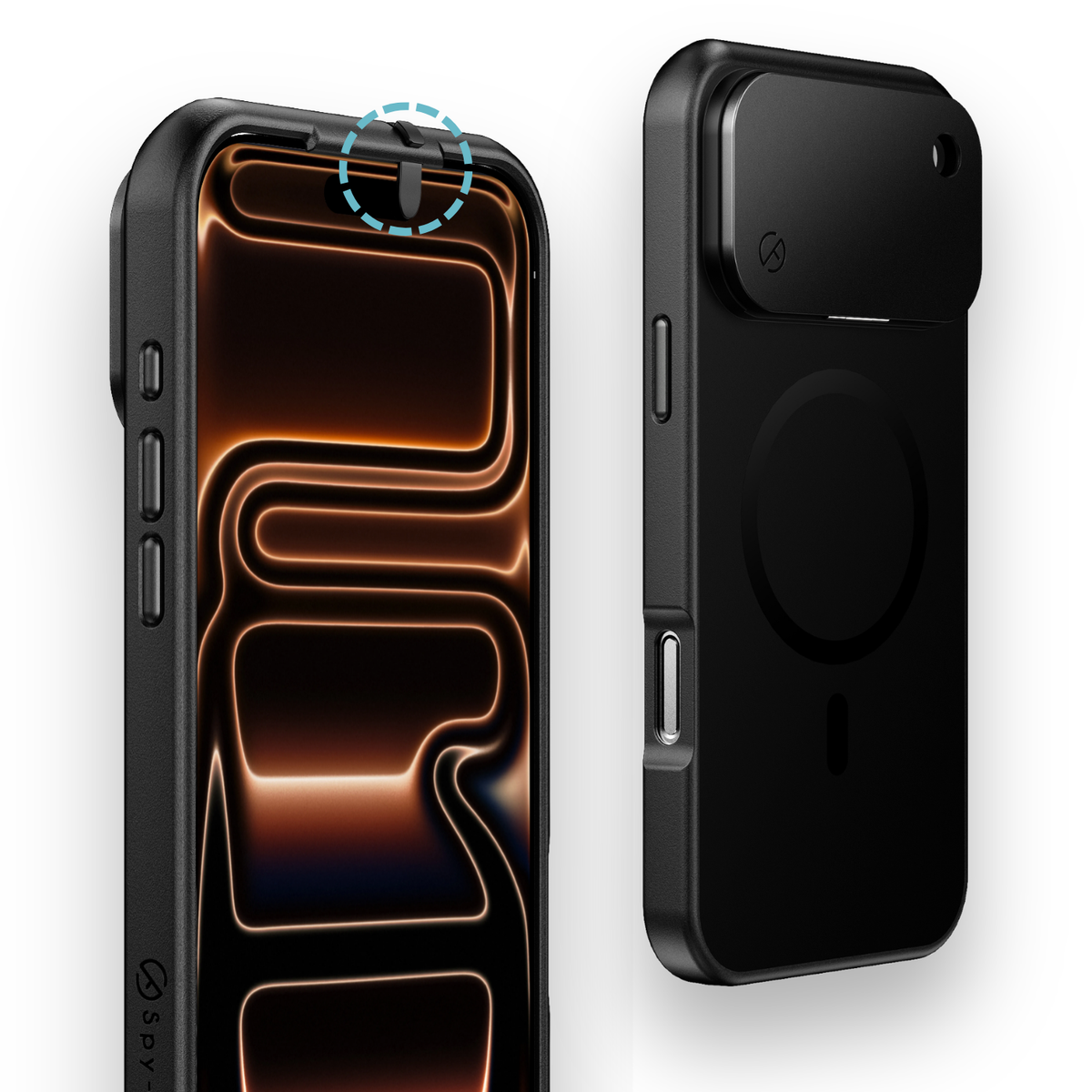
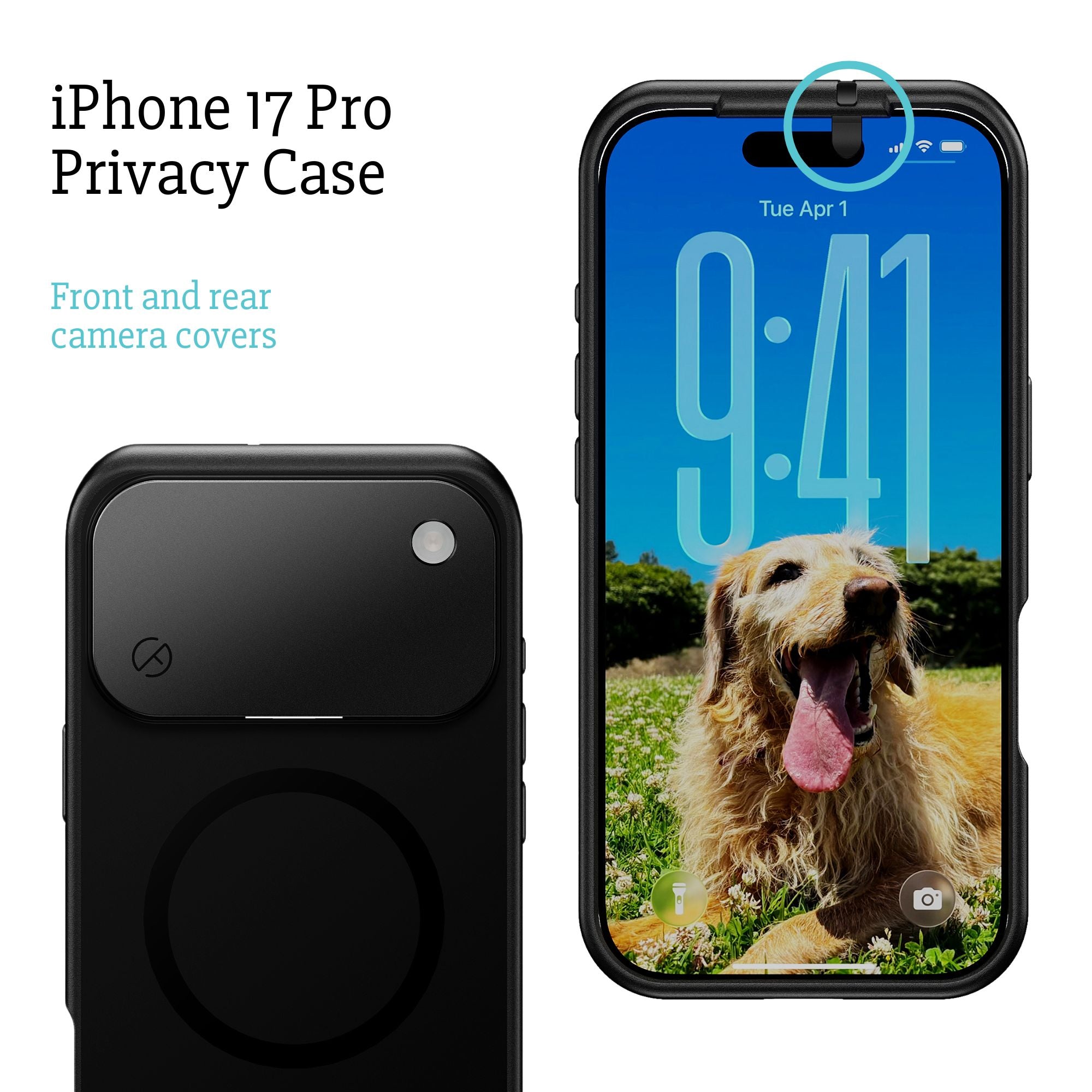
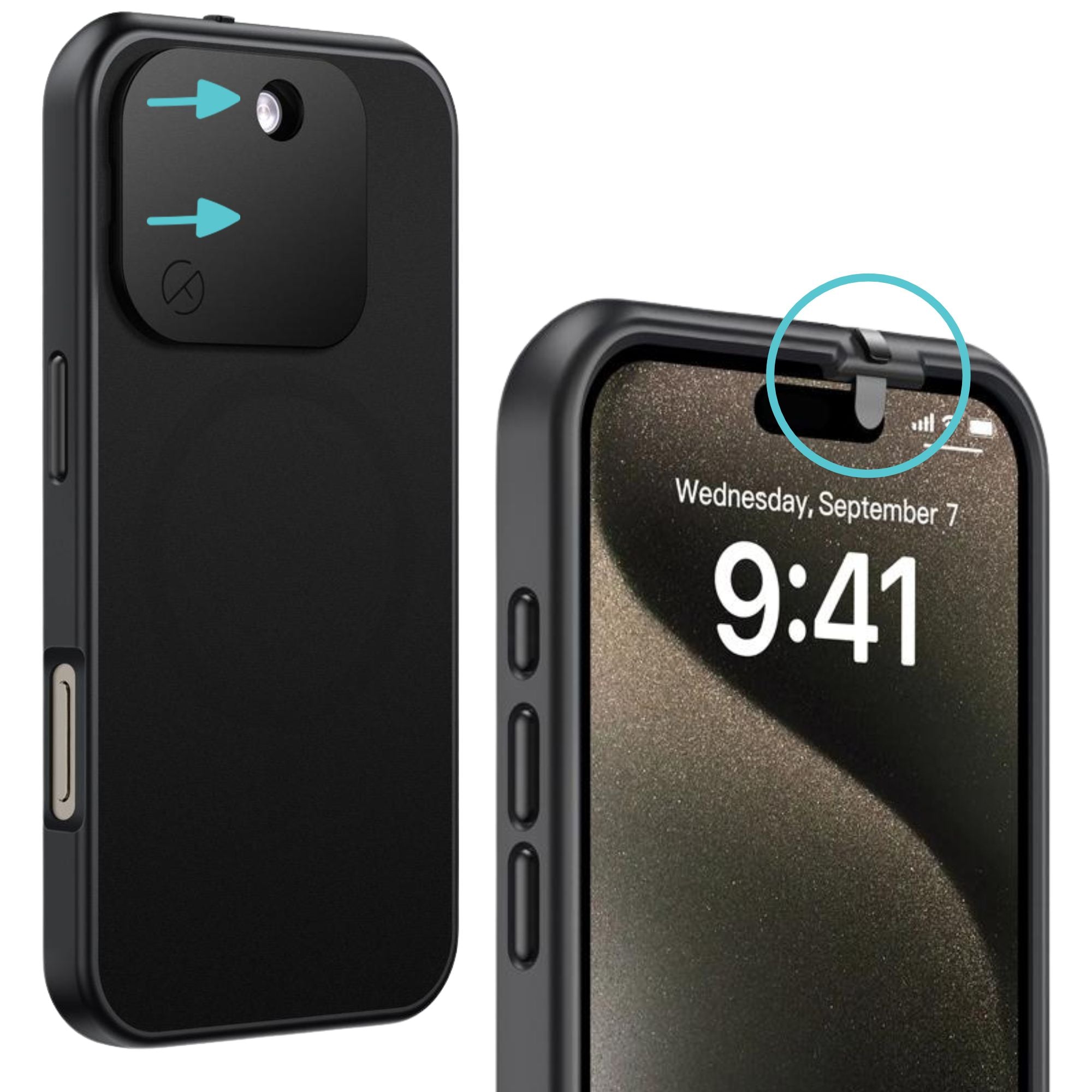
For the first time, Apple has held the standard numbered iPhone back from its September event. The iPhone 18 model release strategy puts the Pro, the Pro Max and the foldable iPhone Duo in fall 2026 and leaves the standard iPhone 18 and the iPhone 18e for spring 2027. If you plan device upgrades for yourself or a team, that changes how you should think about timing, budget and privacy risk. If you already ordered a Pro, an iPhone 18 Pro privacy case with sliding covers over the front and rear lenses is the simplest physical control you can add on day one.
The reasons behind the split go beyond giving the foldable its own spotlight. They are about revenue, supply chain load and a deliberate choice to put the newest camera and AI hardware in the premium tier first. That last point matters for privacy. Below is the timeline, the reasoning and what it means for buyers.
When is the iPhone 18 coming out
The honest answer depends on which iPhone 18 you mean. The Pro models are in stores now. The Duo arrives in late October. The standard model and the 18e are a spring 2027 story that Apple has not put a date on.
| Product | Announced | Pre-order | On sale |
|---|---|---|---|
| iPhone 18 Pro | September 9, 2026 | September 12, 2026 | September 18, 2026 |
| iPhone 18 Pro Max | September 9, 2026 | September 12, 2026 | September 18, 2026 |
| iPhone Duo | September 9, 2026 | October 16, 2026 | October 23, 2026 |
| iPhone 18 (standard) | Expected spring 2027 | Not announced | Not announced |
| iPhone 18e | Expected spring 2027 | Not announced | Not announced |
Apple kept its usual rhythm for the Pro models: keynote on a Wednesday, pre-orders on the Friday, phones in stores the Friday after. The iPhone 18 Pro starts at $1,199, the iPhone 18 Pro Max at $1,299 and the iPhone Duo at $1,999. iOS 27 arrived as a free update on September 14. For every product from the keynote in one place, including AirPods 5 and the new Apple Watch models, see our recap of everything Apple announced in September 2026.
The standard iPhone 18 and iPhone 18e in spring 2027
Apple said nothing about a standard iPhone 18 or an iPhone 18e on September 9. Spring 2027 is the working assumption for both, and it follows the pattern Apple set with the iPhone 16e, which arrived in February 2025 outside the fall cycle. Treat spring 2027 as expected, not confirmed, and do not build a device budget around a date Apple has not given.
Why Apple chose this iPhone 18 model release strategy
Holding the standard model back is not a manufacturing failure. It is a business decision that does three things at once.
- A higher average selling price in the holiday quarter. With only the Pro, the Pro Max and the Duo on the shelf between September and December, buyers who would normally pick the cheaper standard model either move up to a $1,199 phone or keep the phone they have. Both outcomes protect Apple's margin in its biggest quarter.
- Less pressure on the supply chain. One September launch for every model stretched Apple's assembly partners thin in previous years. The Duo adds a hinge, two displays, a camera hidden under the inner screen and a titanium frame, all new parts at volume. Splitting the calendar spreads that peak across two windows and gives the foldable its own five-week ramp in October.
- Premium first for camera and AI. The A20 Pro chip, the doubled 16-core Neural Engine, the three 48 MP cameras and the variable aperture on the main camera all land in the Pro tier first. Anyone who wants that hardware pays Pro pricing for at least six months.
What the split means if you are buying
The split forces a clearer either-or choice than previous cycles. Either you commit to a Pro, a Pro Max or a Duo in fall 2026, or you keep your current phone and wait for the standard iPhone 18 in spring 2027. There is no middle option this year.
Executives and traveling professionals
If your phone sees international travel, hotel Wi-Fi and confidential calls, the Pro tier is on sale now and the security refresh matters more than the camera specs. Pair the phone with a physical camera cover from the first day, not after the first incident.
Journalists, lawyers and healthcare workers
Source protection, attorney-client privilege and patient data benefit from the longest possible support window, which the Pro models give you. Whichever model you choose, make sure the front and rear cameras have physical covers. Face ID keeps working when the front slider is open, so there is no daily friction.
Enterprise fleet buyers
IT teams managing hundreds of devices should plan for a refresh gap. If your standard-model users cannot get an iPhone 18 before spring 2027, budget for extended use of existing iPhone 16 and iPhone 17 units. Retrofitting those devices with camera covers extends their useful security life at a fraction of the cost of pulling an upgrade forward.
Anyone considering the iPhone Duo
The Duo changes the privacy picture in three ways. Its FaceTime camera sits under the 7.6-inch inner display and is invisible until it is active, so you cannot see the lens you are trusting. It has cameras on both sides of a folding body, so one closed cover never covers everything. And it uses Touch ID in the side button rather than Face ID. Spy-Fy does not make a case for the Duo, so if you buy one at launch, count on managing camera access in iOS settings alone.
The privacy angle of a Pro-first launch
A Pro-first launch means the newest camera hardware and the most capable on-device AI land in premium phones six months before anything else. The iPhone 18 Pro captures roughly 50% more light in the dark than its predecessor, records up to 4K ProRes at 120 fps and runs a Neural Engine with twice the cores of last year. Any camera compromise, whether through a rogue app, a forgotten permission or a lost device, exposes more usable detail from a Pro than from a standard iPhone. We go through the sensors, the microphones and what each one can capture in iPhone 18 Pro privacy, what it sees and hears.
Standard-model buyers face the opposite problem. If you are waiting for the spring 2027 iPhone 18, your current phone stays on its older security posture for an extra six months or more. Physical camera protection matters most during exactly that kind of extended gap.
What does not change is the physical reality of the device. iOS controls which app may use the camera; it does not cover the lens. The orange and green indicator dot reports access, it does not stop it. Permissions can be forgotten or bypassed by an exploit. A closed sliding cover stays closed, whatever iOS version you run.
The bottom line on iPhone 18 timing
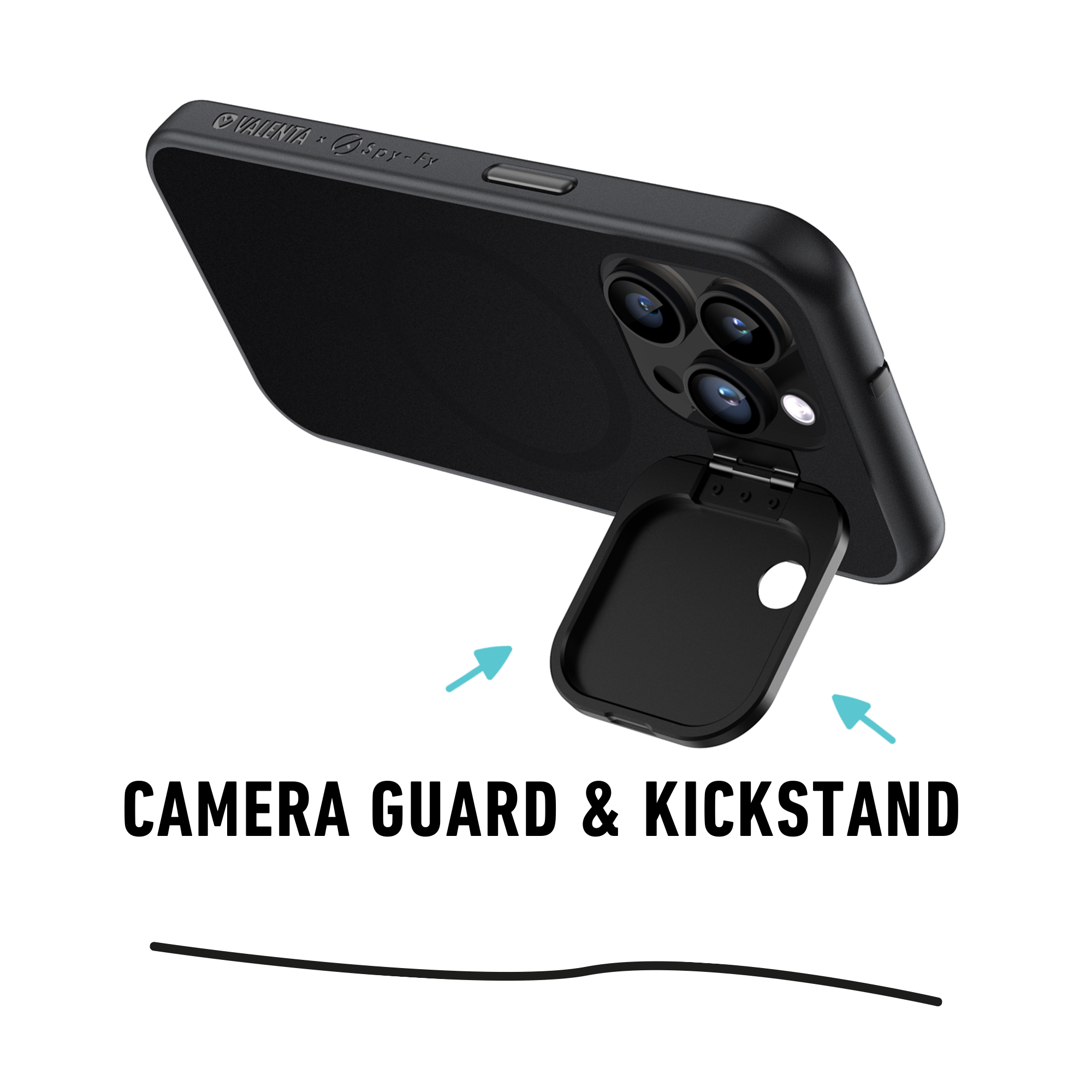
The iPhone 18 Pro and Pro Max are on sale now, the iPhone Duo ships October 23, and the standard iPhone 18 and iPhone 18e are expected in spring 2027 without a confirmed date. Whichever wave you land in, the camera on the front of your phone still points at your face during every video call and every confidential meeting. If you have a Pro or Pro Max, the iPhone 18 Pro Max case with camera cover adds sliding covers for the front and rear lenses, a kickstand and MagSafe, and survives a 2-meter drop. Face ID and the flashlight keep working. It is one decision, made once, that does not depend on what Apple announces next spring.